
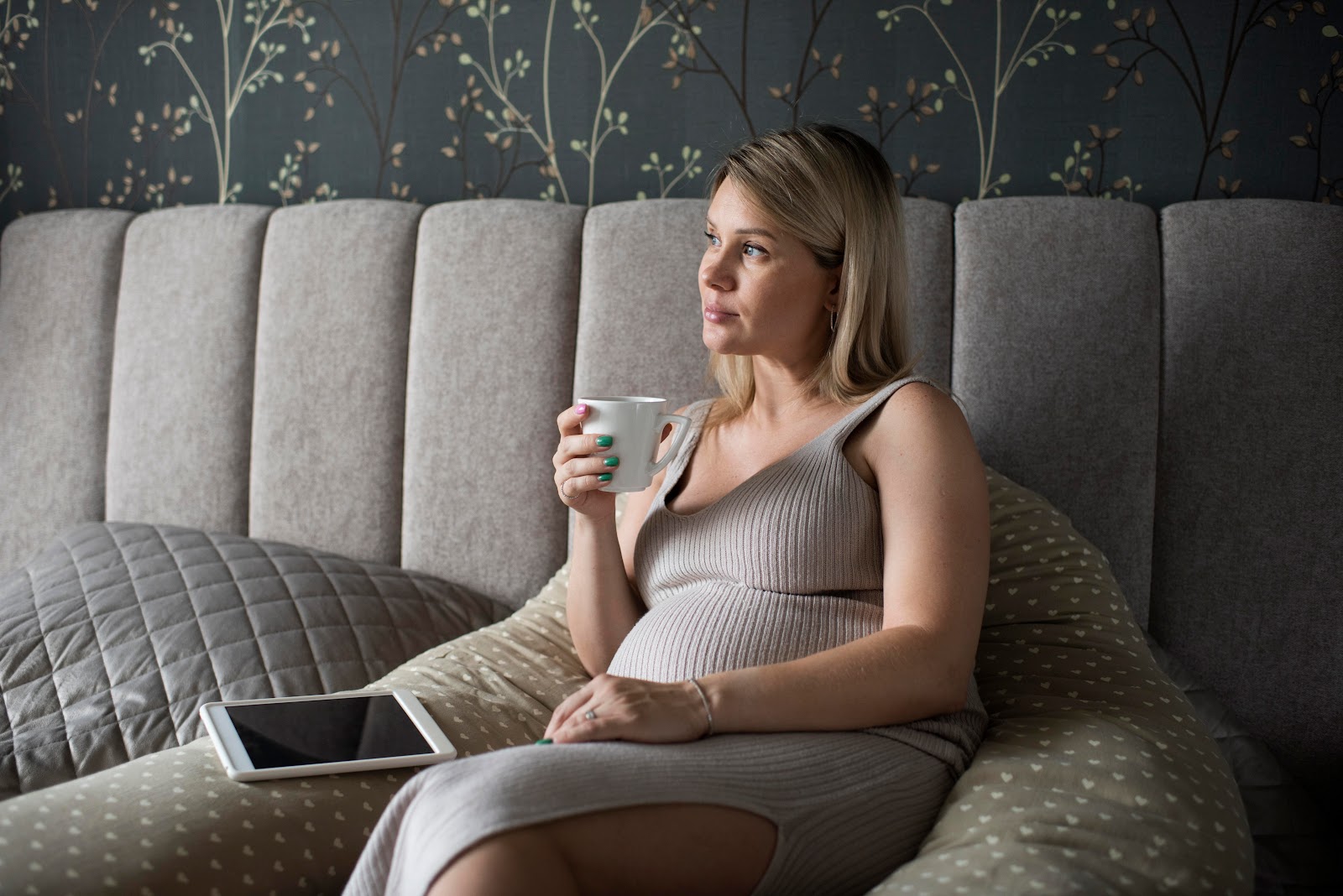
Pregnancy is a very delicate time in a woman’s life, as the healthy development of the life growing inside them depends on them. Generally, what to do and what not to do is quite evident and, if it isn’t, there are always experienced mothers and grandmothers to turn to. Nevertheless, let’s quickly go over a few details.
Avoid taking immersion baths at very high temperatures, or thermal baths, and avoid using saunas or steam baths. The issue is not the immersion itself, but the water temperature. A home bath with lukewarm water (between 24 and 26°C, for example) poses no risk, but immersion in water above 36°C can be harmful to the circulatory system of the pregnant woman, and therefore to the baby, during the 9 months of pregnancy.
If there are pets at home, avoid direct contact with their feces. Special care should be taken with cat feces to avoid toxoplasmosis.
Avoid gardening and direct contact with soil or compost to also prevent toxoplasmosis. Avoid eating raw fish and undercooked meats or dishes that contain them, such as sushi or carpaccio. Wash vegetables thoroughly.
Smoking – one of the worst mistakes.
Each cigarette smoked by a pregnant woman increases the risk of her baby developing strabismus by 5%.
This effect of smoking on the disorder increases toward the end of pregnancy.
"Although strabismus is a common condition affecting 2–3% of children, little is known about its causes," said Dr. Tobias Torp-Pedersen of the Statens Serum Institut in Copenhagen, Denmark.
Strabismus, or "crossed eyes", is a collective term for 30 different conditions involving misalignment of the eyes when focusing on an image.
Some subtypes are linked to muscle problems, others to nerve damage.
If left uncorrected, strabismus can cause irreversible vision loss with psychological and social consequences.
Fetal exposure to harmful substances may be one of the causes of strabismus.
"Nicotine and other substances in tobacco, alcohol, and caffeine affect the brain," Torp-Pedersen said. "Even minimal alterations in the developing brain could lead to strabismus," he explained.
In fact, previous studies have linked smoking and alcohol use during pregnancy to strabismus.
But most of those studies were small and did not explore the timing and level of exposure. They also did not consider the effects based on the type of strabismus, added Torp-Pedersen.
The team identified more than 1,300 cases of strabismus in the Danish National Birth Cohort registry.
All the children were born between 1996 and 2003. The mothers were interviewed twice during pregnancy and again at 6 and 18 months after delivery.
The research revealed that women who smoked during pregnancy had a 26% higher risk of having a child with strabismus compared to mothers who didn’t smoke, even after considering other risk factors such as alcohol consumption and maternal age.
The effect wasn’t limited to the first trimester – it rose to 43% and 35% for women who smoked during the second and third trimesters, respectively.
In the *American Journal of Epidemiology*, the team also wrote that women who smoked between 5 and 9 cigarettes a day had a 38% greater risk of having a baby with strabismus than those who did not smoke at all.
The brands Beybies, Pura+, and NrgyBlast belong to Avimex de Colombia SAS. All products are certified, have current health registrations, and are manufactured under the strictest international standards. You can purchase our products via our Online Shop. All purchases are backed by a 100% satisfaction or money-back guarantee.